The method by which digital content can be created is changing quickly and video is at the center of this transformation. AI video generation models can create video in just a few minutes, whereas it previously required complex software, a lengthy production cycles, and expert knowledge. These systems aren’t just automating video creation they are altering how static images transform into engaging, moving stories.
At the forefront of this change is Akool Technology, which demonstrates how far AI-driven creativity has evolved.
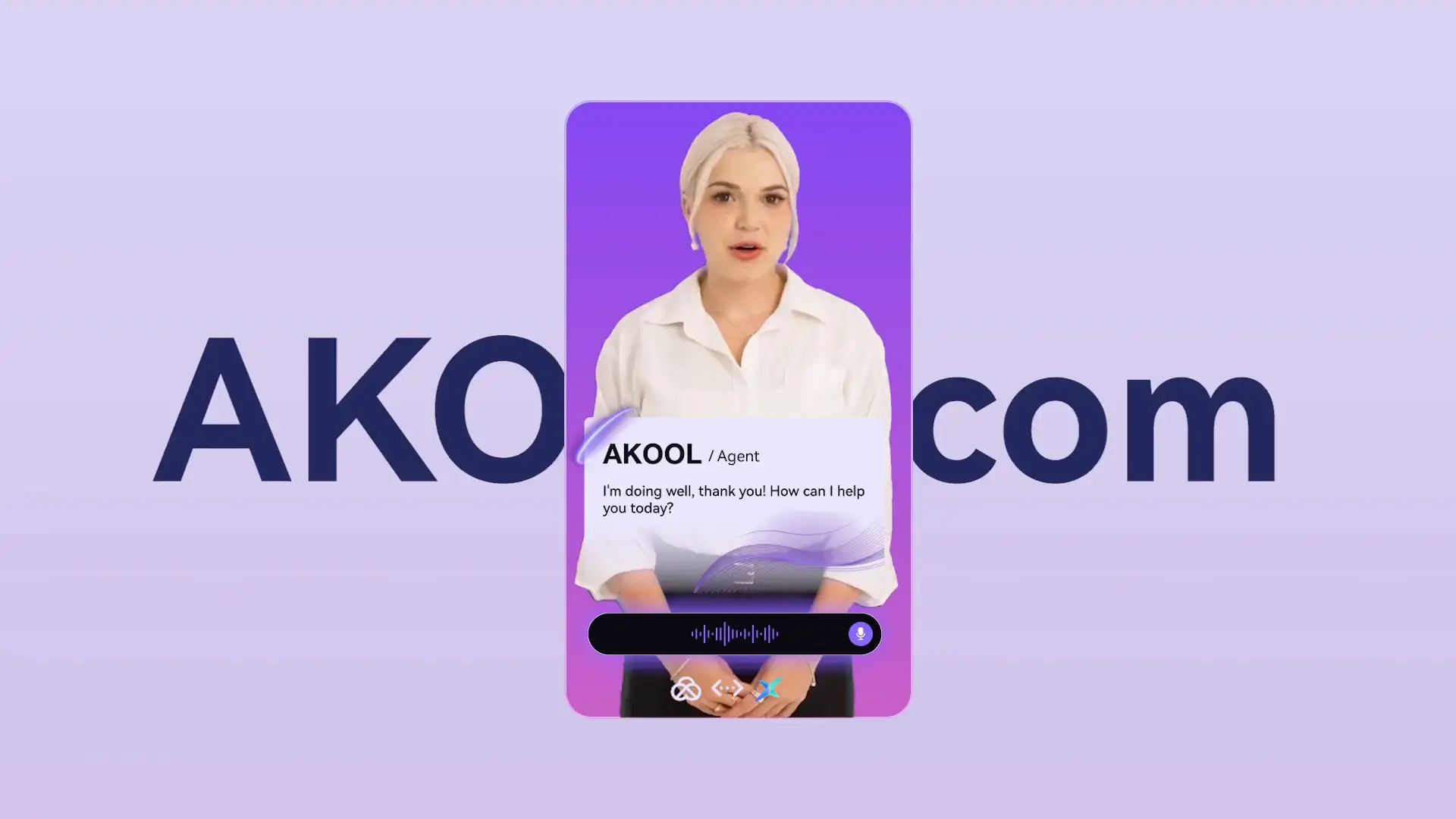
Image credit: akool.com
From Static Images to Living Visuals
Production of video is a standard procedure that starts with footage. A workflow powered by AI that is sophisticated starts with an image. The Akool Video Model is created to convert static images illustrations, designs, and other assets into animated videos that feel natural. Instead of applying generic animations, the model adds motion, depth and texture in a manner that maintains the integrity of the original image.
This feature is especially useful for teams who already have large images in their libraries. The ability to transform photos of products, brand images, or artwork into engaging videos can save time and money, while also increasing creative output.
High-Performance Motion for Cinematic Effects
Control is one of the most important characteristics of a professional AI video model. Random animation can often break immersion. Advanced systems allow creators to define how elements move in the frame direction and velocity, as well as trajectory resulting in smoother, more cinematic results.
Creators can employ precise motion controls that create characters and camera movements which feel more natural rather as opposed to automated. This level is a great help in making AI-generated video clips seamlessly blend into professional presentations, marketing campaigns as well as digital storytelling formats.
Speed Without Sacrificing Quality
Modern AI technology challenges this idea. A high-end AI video generator can produce high-quality videos in a matter of seconds with the same level of quality, precision in color, and visual stability. AI video creation is efficient because it balances quality and efficiency.
Iteration in social media as well as marketing environments is crucial because trends change quickly. Creators and brands gain a competitive advantage by being able to experiment with ideas and change images quickly, as well being able to publish content quickly.
Trust is Built on Consistency
Consistency has always been a challenge in AI video production, particularly when characters or other people are in the. Akool AI tackles this issue by preserving facial recognition as well as the alignment of expressions and characters across a clip. This continuity produces more believable videos and also helps stop the visual drift that frequently ruins viewer’s engagement.
Consistency is essential in all applications, such as brand ambassadors, visuals of spokespersons, as well as educational content. People are more likely to feel comfortable and reassured by images that are a bit more stable and human rather than ad-hoc or splintered.
Designed for Real-World Workflows
AI video tools perform best when they seamlessly integrate in creative workflows. Professional users will find that image-to-video conversion tools prioritize simplicity over power. Teams can quickly adopt AI video production without extensive instruction thanks to user-friendly interfaces and speedy rendering.
Beyond individual creators The systems allow collaboration and creativity. Users can explore shared examples and learn about the latest techniques and challenge their own creativity with community-driven ecosystems.
A New Standard for Visual Storytelling
AI video creation is no longer an experimental innovation, but is now a foundational tool for modern content creation. Through a combination of speed, realism, and creative control, today’s AI models can be used to create new possibilities by combining existing resources.
As AI continues to evolve, tools Akool video model illustrate a broader shift toward smarter, more accessible video production. The future of visual storytelling isn’t just about creating motion it empowers creators to create engaging experiences more quickly and efficiently than ever before.